
If you ask a web developer in Lagos or Abuja, "How much does a website cost?", you will almost certainly get the same answer: "It depends."
As a business owner, you probably just want a straight number so you can plan your budget. But pricing a website is not like buying a carton of milk with a fixed price tag. Website cost is not a single number because a "website" is not a single thing. The final cost depends entirely on scope, complexity, the developer's experience, and what your business actually needs to do online.
In this guide, we break down exactly how website pricing works in Nigeria. We will look at real-world market ranges, explain what drives the price up or down, and help you figure out what you should realistically budget for your project.
Why There Is No Single Answer
Think about walking into a gadget store in Computer Village and asking, "How much is a phone?" The seller cannot give you a straight answer until they know what you need. Are you looking for a feature phone just to make calls? A mid-range Android with a decent camera? Or the latest flagship for heavy video editing?
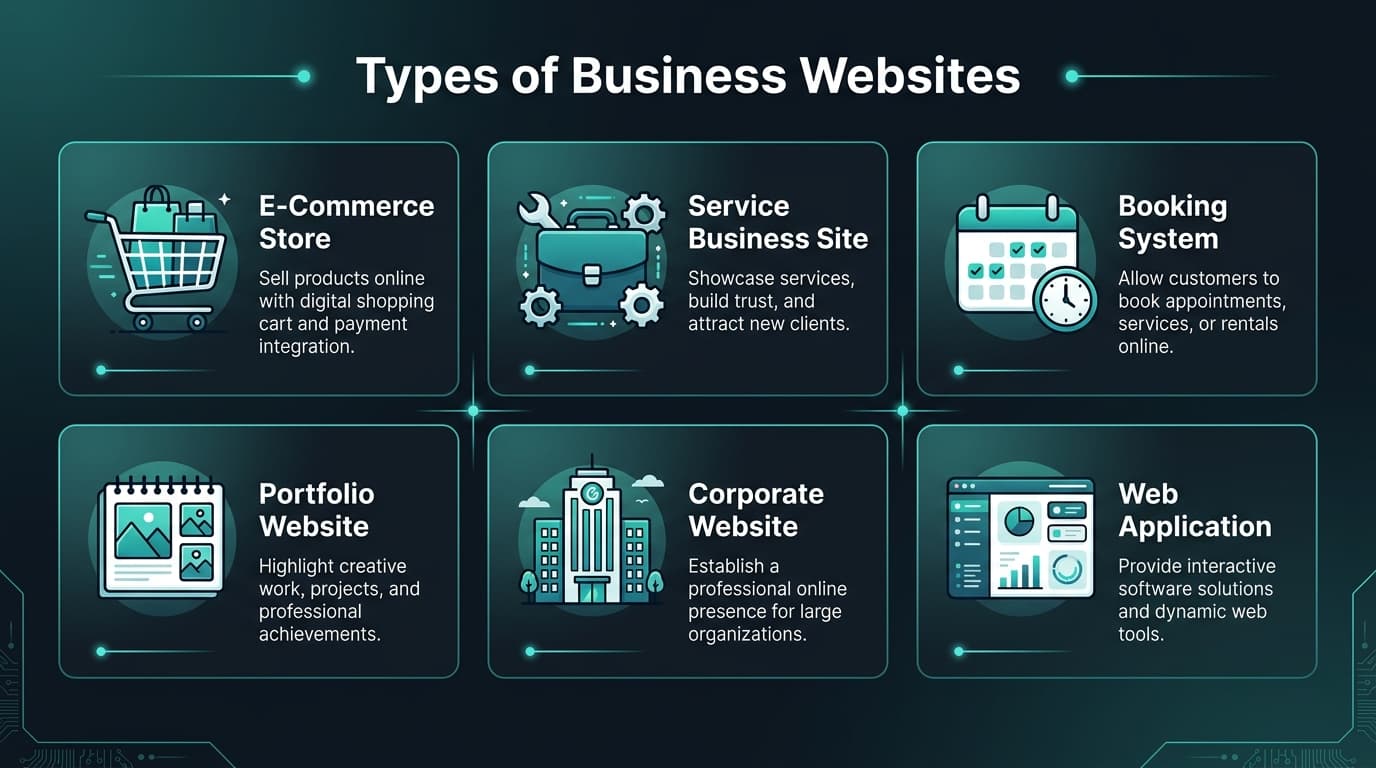
Websites work exactly the same way. Before you worry about cost, you need to understand why every business needs a website and what specific goals yours needs to achieve. If your goal is just to show a menu and a phone number, your website will be relatively straightforward. If your goal is to accept online payments, manage user accounts, allow appointment bookings, and host a blog, you are essentially building a digital branch of your office.
The Factors That Actually Determine Price
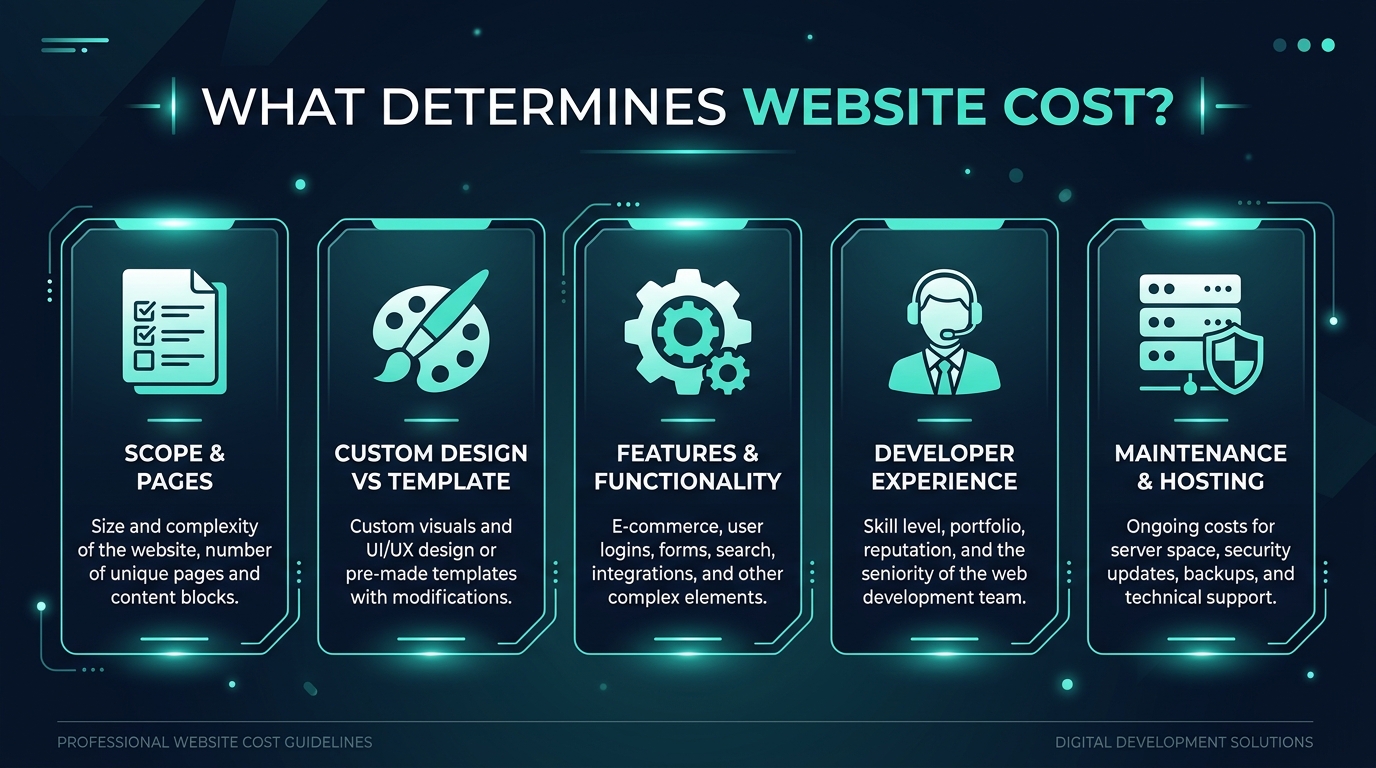
When you get a quote from a developer, they are not guessing a number. They are calculating the cost based on several specific factors.
Scope and Size
A simple one-page website takes significantly less time to build than a 20-page corporate website. Every additional page requires design, content formatting, and mobile optimization.
Custom Design vs. Templates
If you are on a tight budget, a developer can use a pre-built template. This saves time and money, but your site may look similar to others. A 100% custom design tailored to your brand requires a designer to create everything from scratch. Custom work always costs more.
Functionality and Features
Displaying text and images is straightforward. But what if you want a custom search filter? User login and accounts? An automated booking system that syncs with your calendar? Every interactive feature requires complex coding, database management, and security testing. This is usually the biggest cost driver.
Developer Experience and Reliability
You can always find a student who will build a site cheaply. But with cheap development often comes missed deadlines, broken code, poor security, and developers who stop answering your calls when things go wrong. When you pay more for an experienced professional or a reputable team, you are paying for peace of mind, clean code, proper security, and reliable communication.
Types of Websites and What They Typically Involve
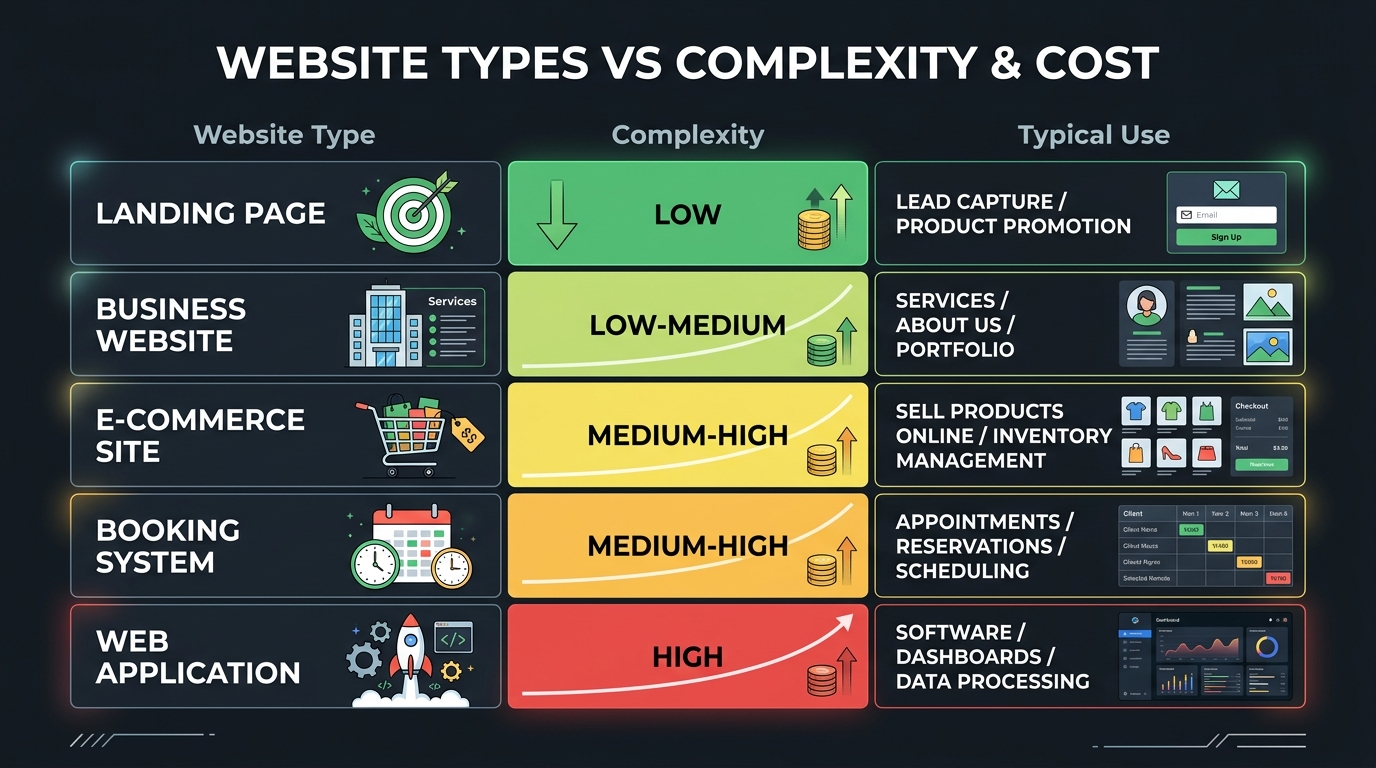
To get a realistic idea of cost, you first need to understand what type of website your business needs first. Here is a breakdown of common categories:
The Landing Page / One-Pager
A single page designed to capture leads or promote one specific product. Fast to build and great for testing a new business idea.
The Basic Business Website
Your standard brochure website: 4 to 5 pages (Home, About, Services, Contact). It gives your business a professional online presence without complex interactive features.
The Multi-Page Corporate Website
Used by larger companies, these sites have many pages detailing departments, team profiles, and detailed service breakdowns. They require deep planning for user navigation.
E-Commerce Websites
If you sell products online, you need an e-commerce site: product catalogues, shopping carts, secure checkout, integration with Nigerian payment gateways like Paystack or Flutterwave, and order management.
CMS-Powered Sites
A Content Management System allows you to log in and update the website yourself without touching code. If you plan to publish a blog, post news updates, or change text frequently, you need a CMS with a secure admin panel and database.
Booking and Registration Systems
Perfect for hospitals, consultants, and event organizers. These handle scheduling, availability checking, and sometimes upfront payments for appointments.
Web Applications and Dashboards
This is where things get advanced. A web app is software that runs in the browser — like a school portal or a logistics dashboard. It involves role-based access, heavy database architecture, and custom APIs.
AI Chatbot Integrations
Modern businesses are integrating AI to handle customer support 24/7. Adding a custom-trained AI chatbot that understands your specific business is an advanced feature that adds significant value — and cost — to a build.
What the Numbers Actually Look Like in Nigeria
Disclaimer: The figures below are illustrative examples of current market ranges in Nigeria for 2026. They are NOT an official Elitech-Hub price list. Every project is unique, and you should always get a custom quote based on your specific requirements.
- Simple Landing Pages / Basic Websites: These generally start from around ₦250,000, depending on exact scope and design requirements.
- Standard Business Websites: For a multi-page, properly designed corporate site, development infrastructure and setup often runs between ₦450,000 and ₦700,000.
- Developer Fees: On top of infrastructure costs, developer fees typically range from ₦150,000 to ₦500,000 depending on the developer's experience, timeline, and complexity.
- Advanced Systems (E-commerce, Web Apps, AI): When you move into actual software development, budgets realistically start at ₦1.2 million and can scale to ₦2 million, ₦3 million, or more depending on scale and complexity.
Remember: choosing the absolute cheapest option is often a trap. If someone offers to build an e-commerce site for ₦50,000, they are cutting corners somewhere — usually in security, mobile optimization, or code quality. You might end up paying twice: once for the cheap site that fails, and again for a professional to fix it.
The Costs People Forget About
Many business owners only think about design and development when budgeting. A website is like a physical office space — it has ongoing running costs.
Domain Name
Your address on the internet (e.g., yourbusiness.com). Billed annually. A .com.ng is generally cheaper, while .com or .tech may cost more depending on availability.
Hosting
The server space where your website's files live. Without hosting, your website cannot exist on the internet. This is an ongoing cost (monthly or yearly). Cheap shared hosting may cost a few thousand Naira a month; dedicated cloud servers for high-traffic apps can cost significantly more.
SSL Certificate
The padlock icon in your browser's address bar. It encrypts data sent between your website and your users. Mandatory, especially if you are processing payments or collecting personal data.
Maintenance and Support
Software goes out of date. Plugins need updates, security patches need to be applied, backups need to be taken. A good developer will offer a monthly or quarterly maintenance retainer to keep your site fast, secure, and online. Ignoring maintenance is the fastest way to get your website hacked.
What to Ask Before You Hire a Developer
Before you hand over your money, ask the right questions. Do not just ask about the price. Ask about the process.
- Will my website be mobile-responsive? (Over 70% of Nigerian web traffic is on mobile. If it doesn't look right on a phone, it's practically useless.)
- Who owns the domain name and hosting account? (Ensure they are registered in YOUR name, not the developer's personal email.)
- Do you provide a CMS? (Can you change a phone number or publish a blog post without paying the developer every time?)
- What is your maintenance policy? (What happens if the site crashes a month after launch?)
- Are basic SEO practices included? (Will the site be structured so Google can actually read and index it?)
The Right Question to Ask
The worst mistake you can make is treating a website like a pure expense. A properly built website is an investment that should generate a return.
Instead of asking, "What is the cheapest website I can get?", ask: "What do I need this website to do to help my business grow, and what is a realistic budget to achieve that?"
Don't buy a price. Buy the solution your business actually needs. Whether you need a simple professional landing page or a complex web application, it is always better to save up and do it right the first time than to rush into a cheap build that hurts your brand.
If you are ready to build a digital presence that actually works for your business, explore Elitech-Hub web development services. We build solutions tailored to your specific business goals — no hidden surprises.